Adding colors to your living or working space can significantly impact its ambiance and aesthetic. Here’s a guide on how to do it, perfect for a blog post:
How to Add Colors to Your Space
Transforming your space with the right colors can make a world of difference. Whether you want to create a calming retreat or a vibrant workspace, here are some tips to help you add colors effectively:
1. Understand Color Psychology
Colors can influence mood and behavior. Here’s a quick guide:
- Blue: Calming and serene, ideal for bedrooms and bathrooms.
- Red: Energetic and stimulating, great for dining rooms and living spaces.
- Yellow: Cheerful and bright, perfect for kitchens and playrooms.
- Green: Refreshing and soothing, suitable for any room.
2. Choose a Color Palette
Select a color palette that complements your existing decor. A balanced mix of primary, secondary, and accent colors can create harmony in your space.
3. Paint the Walls
A fresh coat of paint is one of the most impactful ways to add color. Consider:
- Accent Walls: Paint one wall in a bold color to create a focal point.
- Ombre Effects: Blend two or more colors for a gradient effect.
4. Add Colorful Furniture
Incorporate colorful furniture pieces to add vibrancy. Think of:
- Sofas and Chairs: Choose a statement piece in a bold color.
- Tables and Shelves: Opt for painted or stained wood.
5. Use Textiles
Textiles are an easy way to introduce color. Consider:
- Rugs: A vibrant rug can anchor a room and add warmth.
- Cushions and Throws: Mix and match patterns and colors.
- Curtains: Choose fabrics that complement your color scheme.
6. Incorporate Artwork
Artwork can be a great source of color. Options include:
- Paintings and Prints: Select pieces that reflect your color palette.
- Gallery Walls: Create a gallery wall with a mix of colorful frames and art.
7. Add Plants
Plants can introduce natural colors and enhance the ambiance:
- Greenery: Lush green plants can add freshness.
- Flowers: Fresh or dried flowers in vibrant colors can add a pop of color.
8. Use Accessories
Small accessories can make a big impact:
- Lamps and Light Fixtures: Choose colorful bases or shades.
- Vases and Bowls: Display colorful ceramics or glassware.
- Books and Decorative Items: Arrange colorful books and trinkets on shelves.
9. Experiment with Temporary Solutions
If you’re not ready for a permanent change, try:
- Removable Wallpaper: Add patterns and colors without commitment.
- Peel-and-Stick Tiles: Perfect for kitchens and bathrooms.
10. Balance with Neutrals
To avoid overwhelming your space, balance bold colors with neutral tones:
- White, Gray, and Beige: These can provide a calming backdrop and highlight your colorful elements.

Set the tone
Add a sentence or two about an idea, topic, or service you want to share with your readers.
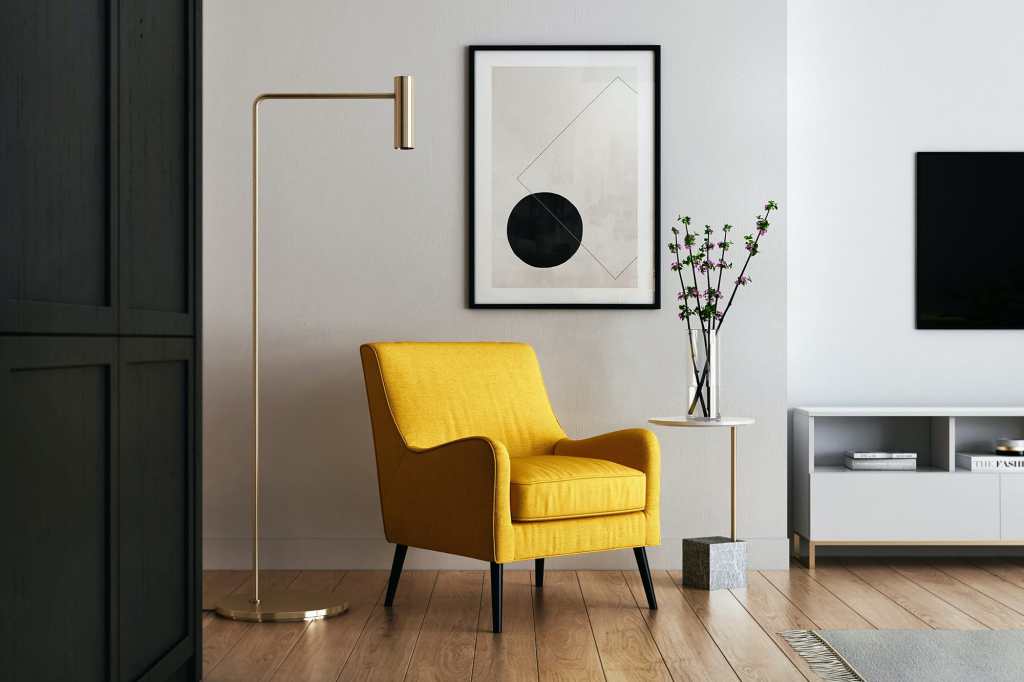
Create contrast
Adding color to your space can be a fun and rewarding project. Remember to consider your personal style, the function of the room, and the mood you want to create. With these tips, you can transform your space into a vibrant and inviting environment.
This blog post can help readers understand the different ways to incorporate color into their living spaces effectively.

